Human Rights Council (HRC) Details
What Is the Human Rights Council?
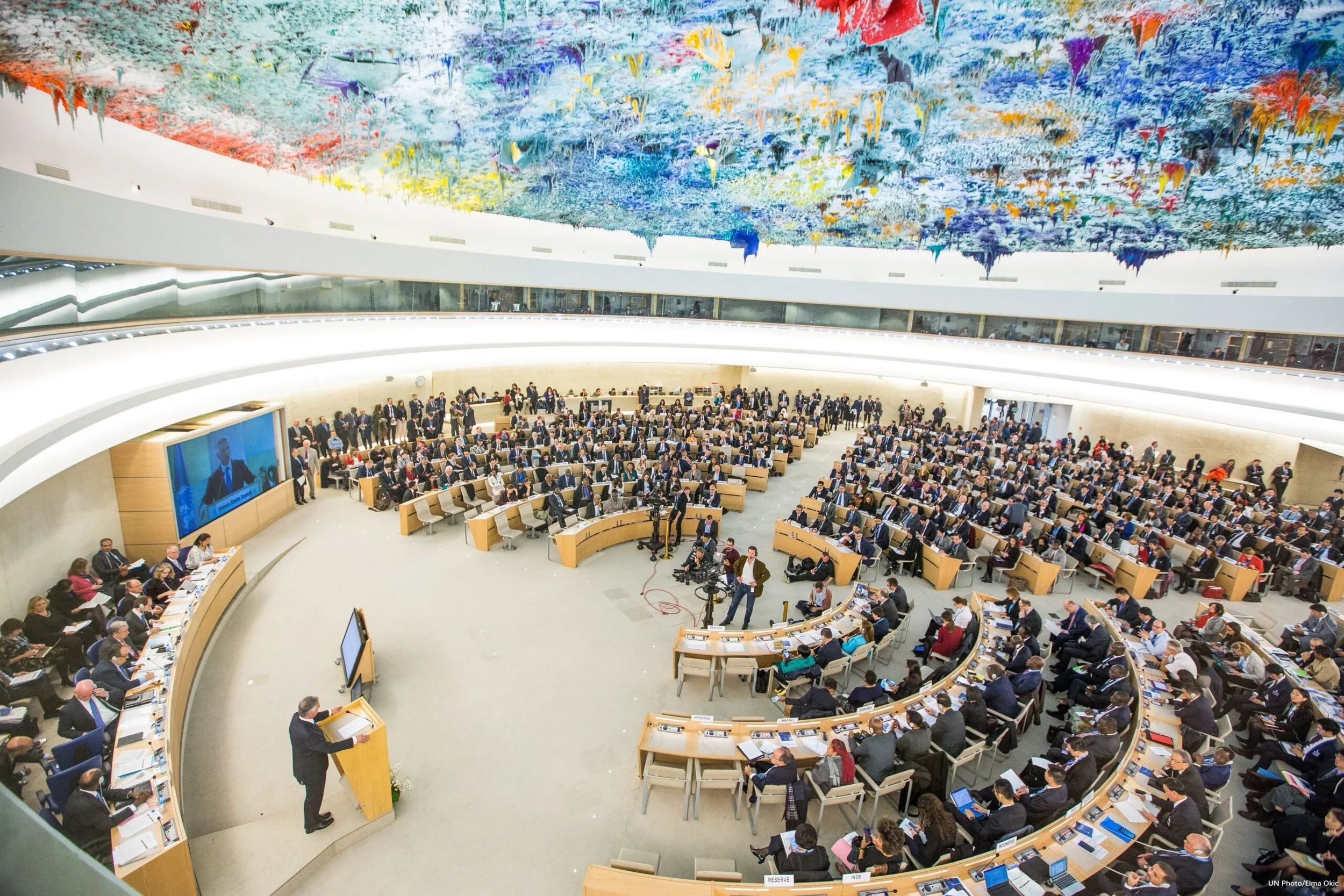
The United Nations Human Rights Council (UNHRC) is one of the most important committees of the United Nations, primarily responsible for promoting and protecting human rights around the world. It has the authority to investigate human rights violations, recommend actions to improve human rights conditions, and facilitate dialogue among member states on human rights issues. The Council is composed of 40 members elected by the General Assembly for staggered three-year terms, with membership distributed to ensure geographical representation. The UNHRC plays a crucial role in addressing human rights abuses, supporting accountability, and fostering international cooperation to uphold the dignity and rights of all individuals under the framework of international human rights law.
Topics
Addressing the persecution of the Uyghur population in China.
Reports from international human rights bodies, civil society organizations, and UN independent experts have raised severe concerns regarding systemic human rights violations targeting the Uyghur population and other Muslim minorities in the Xinjiang Uyghur Autonomous Region. Documented abuses include arbitrary mass detention in re-education camps, widespread digital and physical surveillance, restrictions on religious practice, forced labor, and forced assimilation policies. These measures pose fundamental challenges to obligations set forth under the Universal Declaration of Human Rights and core international human rights treaties.
Delegates in the Human Rights Council must examine pathways for international oversight, diplomatic engagement, and legal accountability while navigating complex principles of state sovereignty. Key areas of discussion will include evaluating independent investigation mechanisms, addressing supply chain transparency regarding forced labor, ensuring protection for overseas Uyghur communities, and encouraging dialogue to uphold fundamental rights and freedoms for affected populations.
Addressing the human rights challenges faced by climate refugees.
Climate change is driving an unprecedented surge in global human displacement, as extreme weather events, rising sea levels, and desertification force millions from their homes. Despite the growing severity of this crisis, individuals displaced by environmental disasters fall outside the legal definition of a "refugee" under the 1951 Refugee Convention, leaving them without formal international protection, legal status, or guaranteed access to basic rights. This regulatory gap leaves climate refugees vulnerable to statelessness, exploitation, human trafficking, and severe socioeconomic hardship.
The HRC must evaluate how existing international human rights legal instruments can be expanded or interpreted to protect environmentally displaced populations. Delegates will consider establishing non-refoulement protections for climate-displaced persons, enhancing international responsibility-sharing frameworks, securing access to basic healthcare, housing, and employment in host countries, and drafting comprehensive policy guidelines to safeguard the dignity and human rights of climate refugees worldwide.