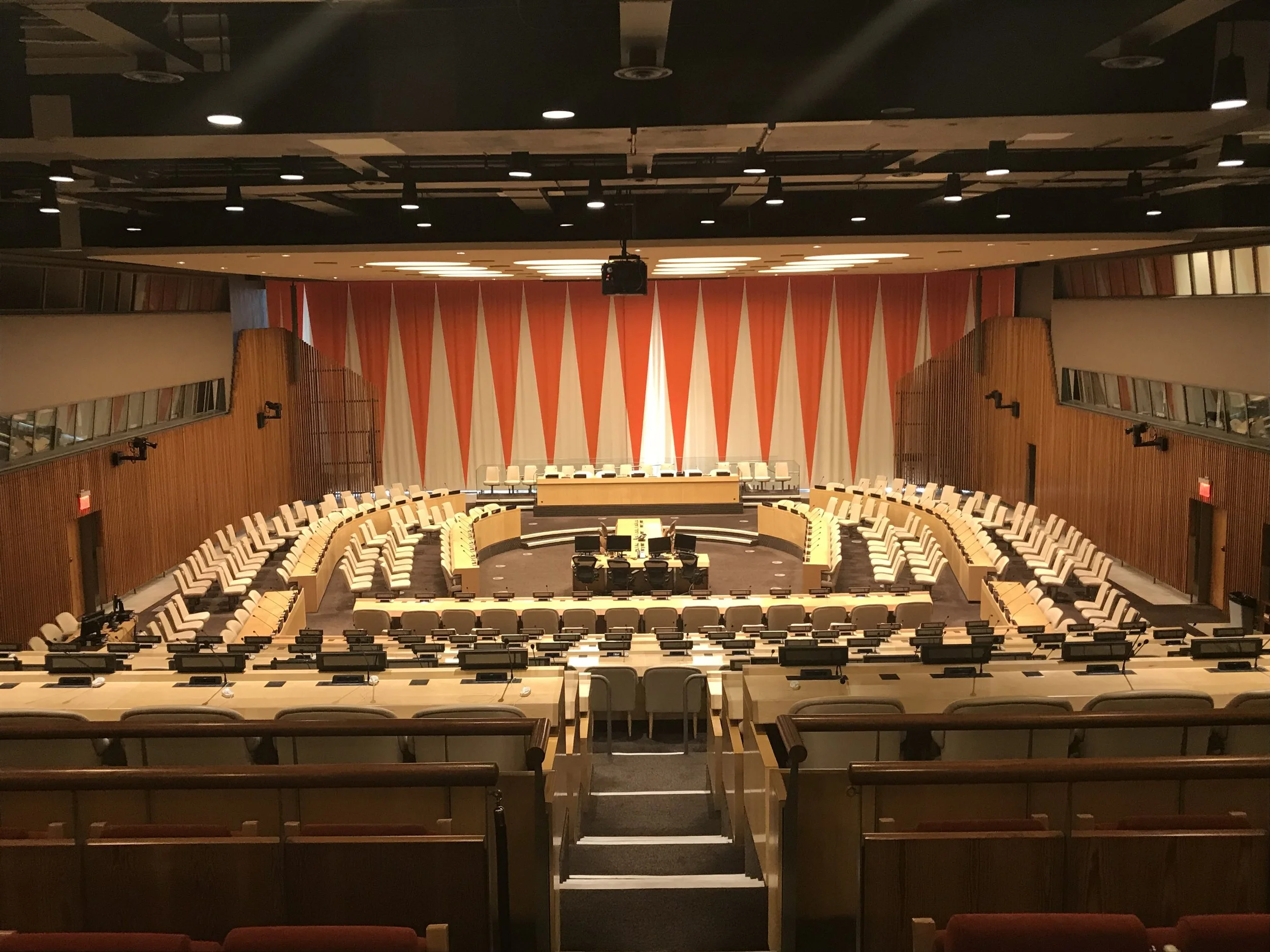
United Nations Economic and Social Council (ECOSOC) Details
What Is the United Nations Economic and Social Council (ECOSOC)?
The Economic and Social Council Committee, commonly referred to as ECOSOC, is one of the 6 organ bodies in the United Nations. It serves as the central platform for discussing and coordinating economic, social, and environmental issues and initiatives, it plays a key role in advancing sustainable development and international cooperation. The committee focuses on a wide range of topics ranging from reducing poverty, education, gender equality, public health, climate action, and humanitarian missions. Unlike the United Nations Security council, the committee does not possess any power to enforce resolutions, yet it strives to promote dialogue and coordination among member states. ECOSOC is composed of 54 member states elected by the general assembly for staggered 3 year terms. ECOSOC adopts resolutions and recommendations that are non-binding but help shape international policies and help guide the work of the wider United Nations system.
Topics
Promoting the strategic development of martime corridors, and economic growth around the Cape of Hope.
The Cape of Good Hope is an important maritime passage connecting shipping routes between the Atlantic and Indian Oceans. Changes in global shipping patterns and disruptions affecting alternative maritime routes, such as the Suez canal, can increase the strategic and economic importance of the Cape of Good Hope route. These developments create opportunities for port investment, logistics infrastructure, employment, and regional economic integration while also placing greater demands on maritime infrastructure, and coastal economies.
The development of maritime corridors is closely connected to international trade, infrastructure financing, supply chain resilience, environmental sustainability, and regional development. Expanding port, and logistics capacity around the Cape of Good Hope could provide countries with economic opportunities in the region while also requiring delegates to carefully consider environmental impacts, infrastructure costs, and equitable distribution of economic benefits.
Cape of Hope and addressing the rapid development of AI technologies, and its integration into global economies